Two expedition-affiliated Master’s degree students successfully defended their theses at Novosibirsk State University:
Matvey Zhukov, Microblade production in Early Holocene lithic industries of Mongolia (Gobi Altai). Supervisor – Arina Khatsenovich
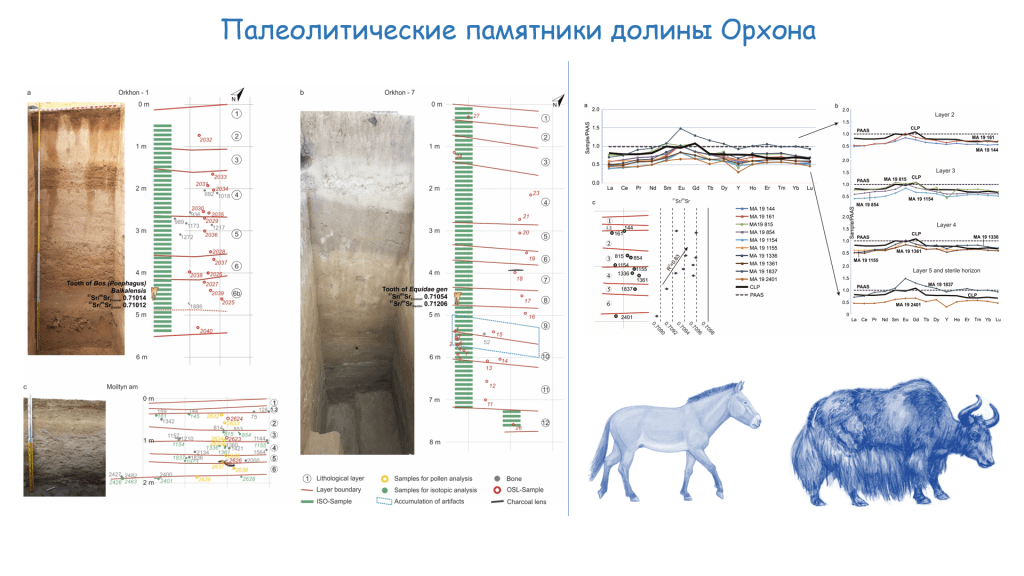
Galina Posmetnaya, Paleoclimatic conditions of Late Pleistocene human occupation in the Orkhon Valley, Mongolia (pollen spectra of the Orkhon 1 and 7 sites). Supervisors – Snezhana Zhilich & Arina Khatsenovich
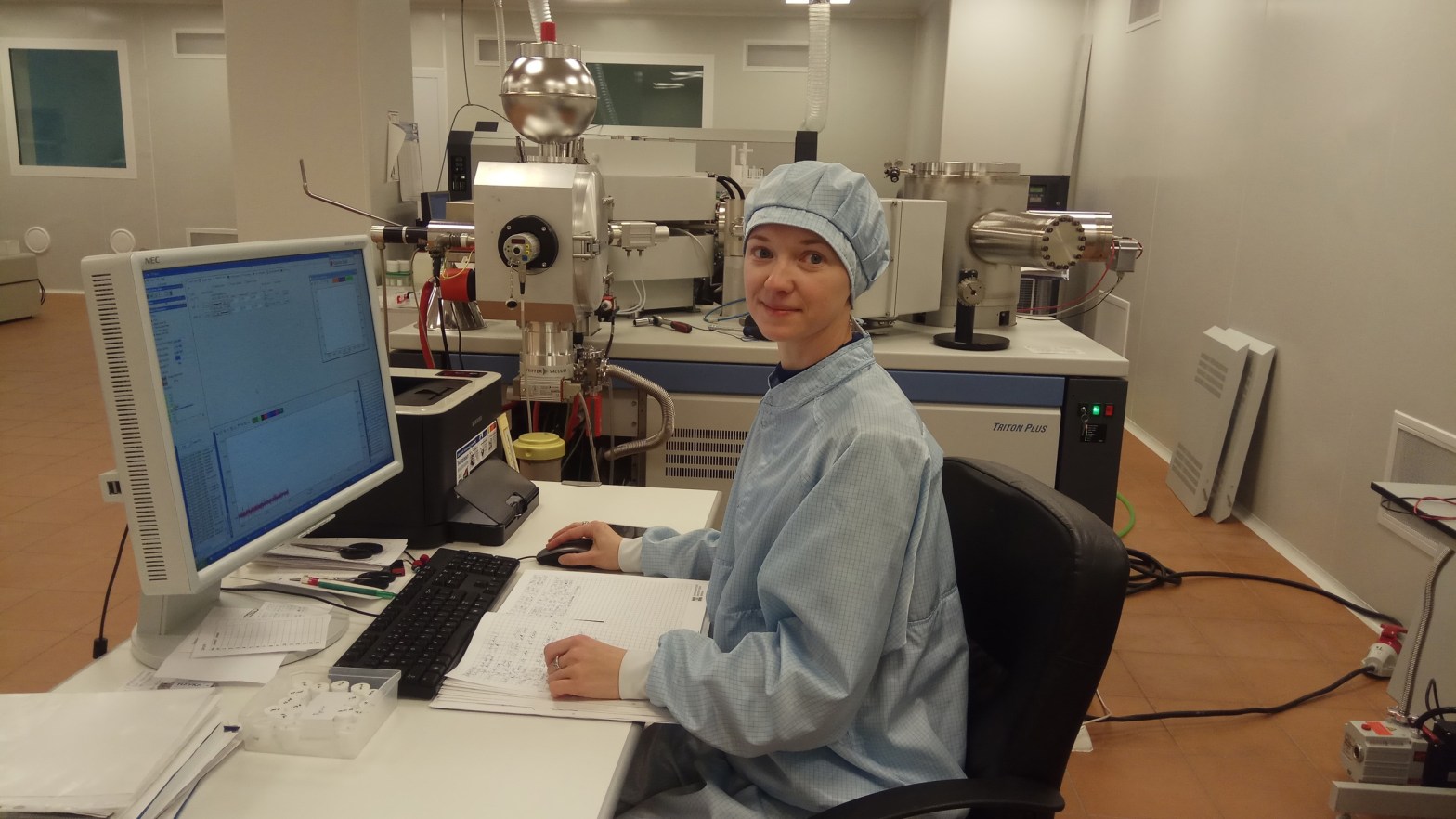
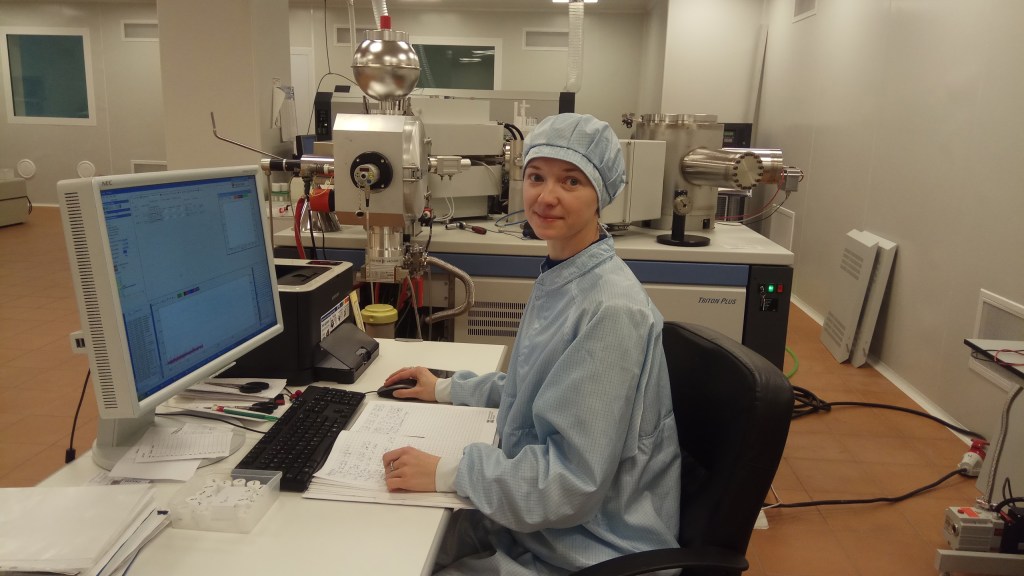
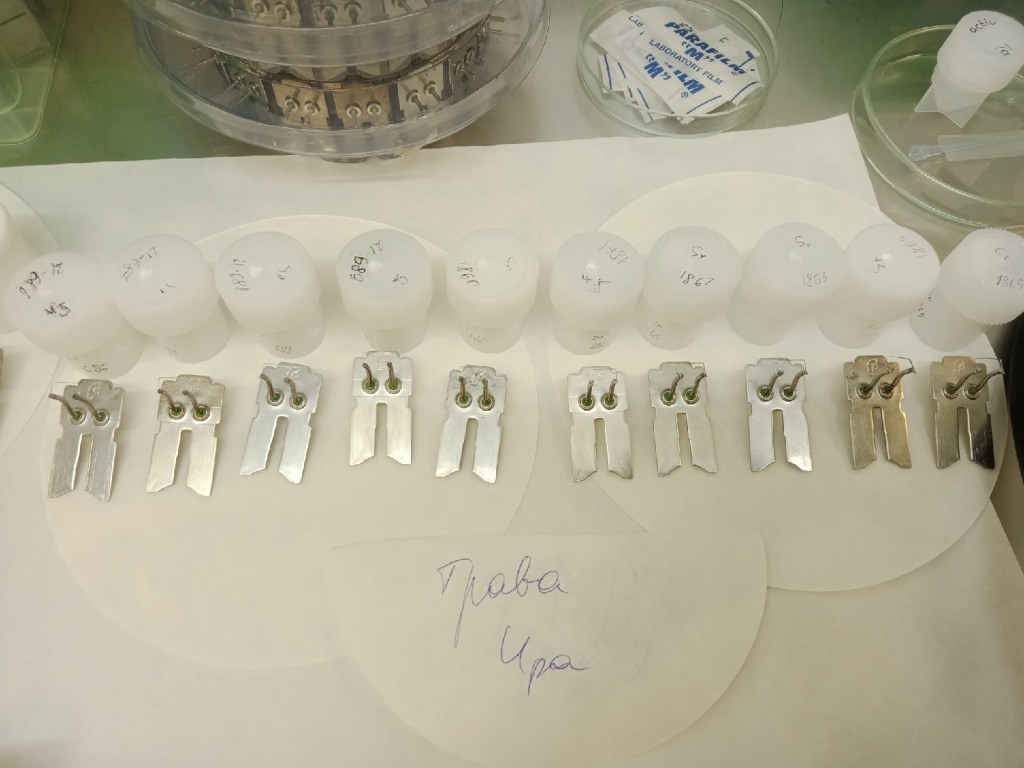
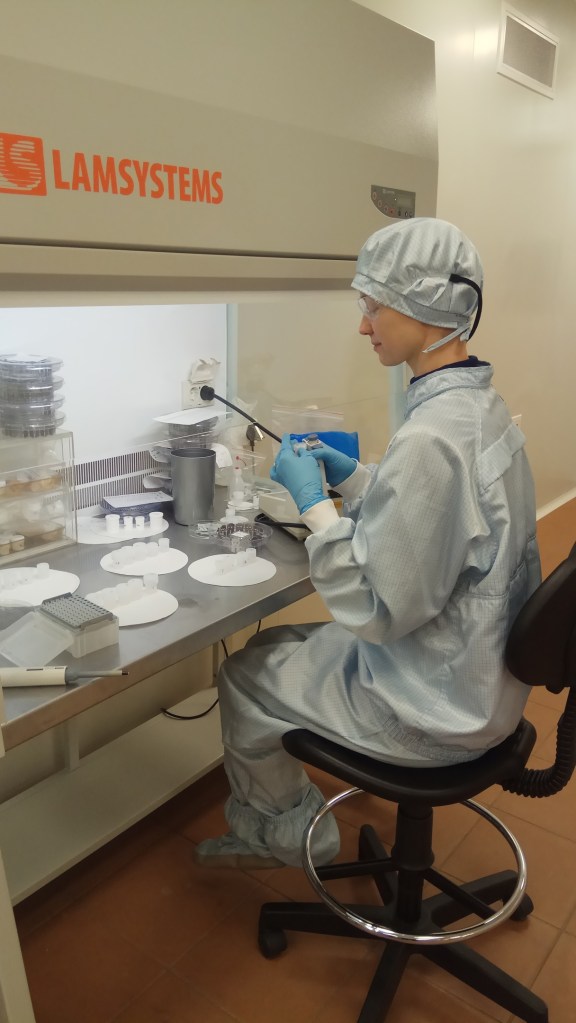
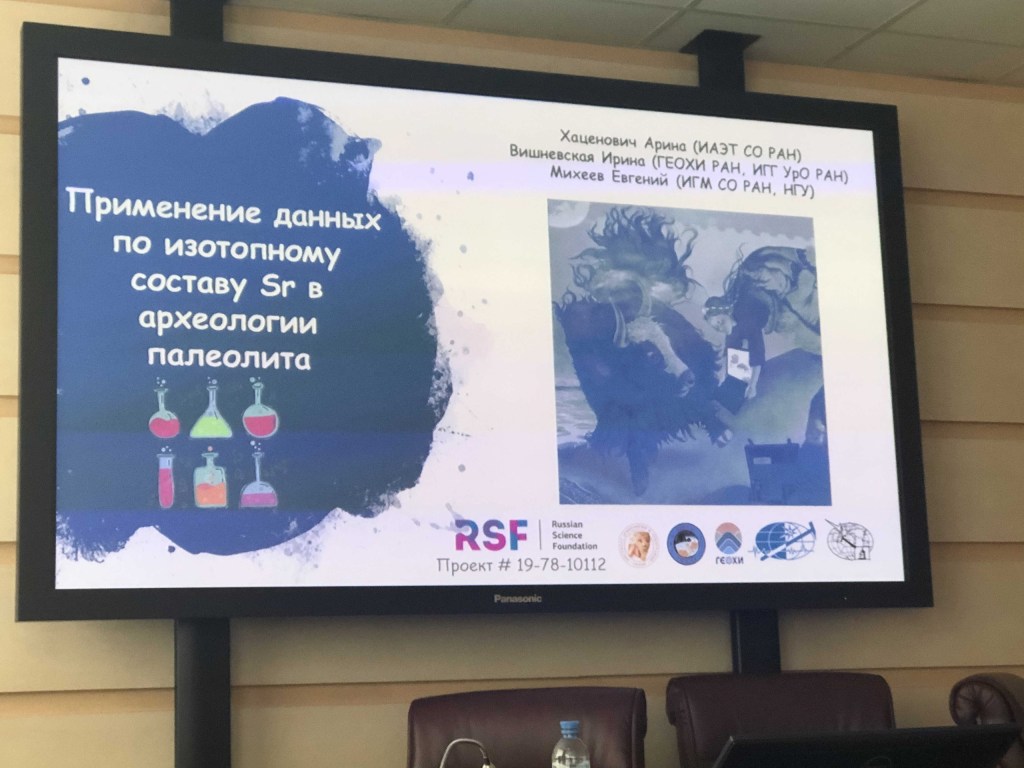
Irina spent April 2021 in the “Geoanalytic” geochemical lab in Ekaterinburg performing sample pretreatment and measuring 87Sr/86SR ratios on samples from the Altai Mountains and Mongolia. She will present the first results of her work online at Goldshmidt2021, July 4-9 in Lyon, and at DIG2021, May 17-21 in Faro.
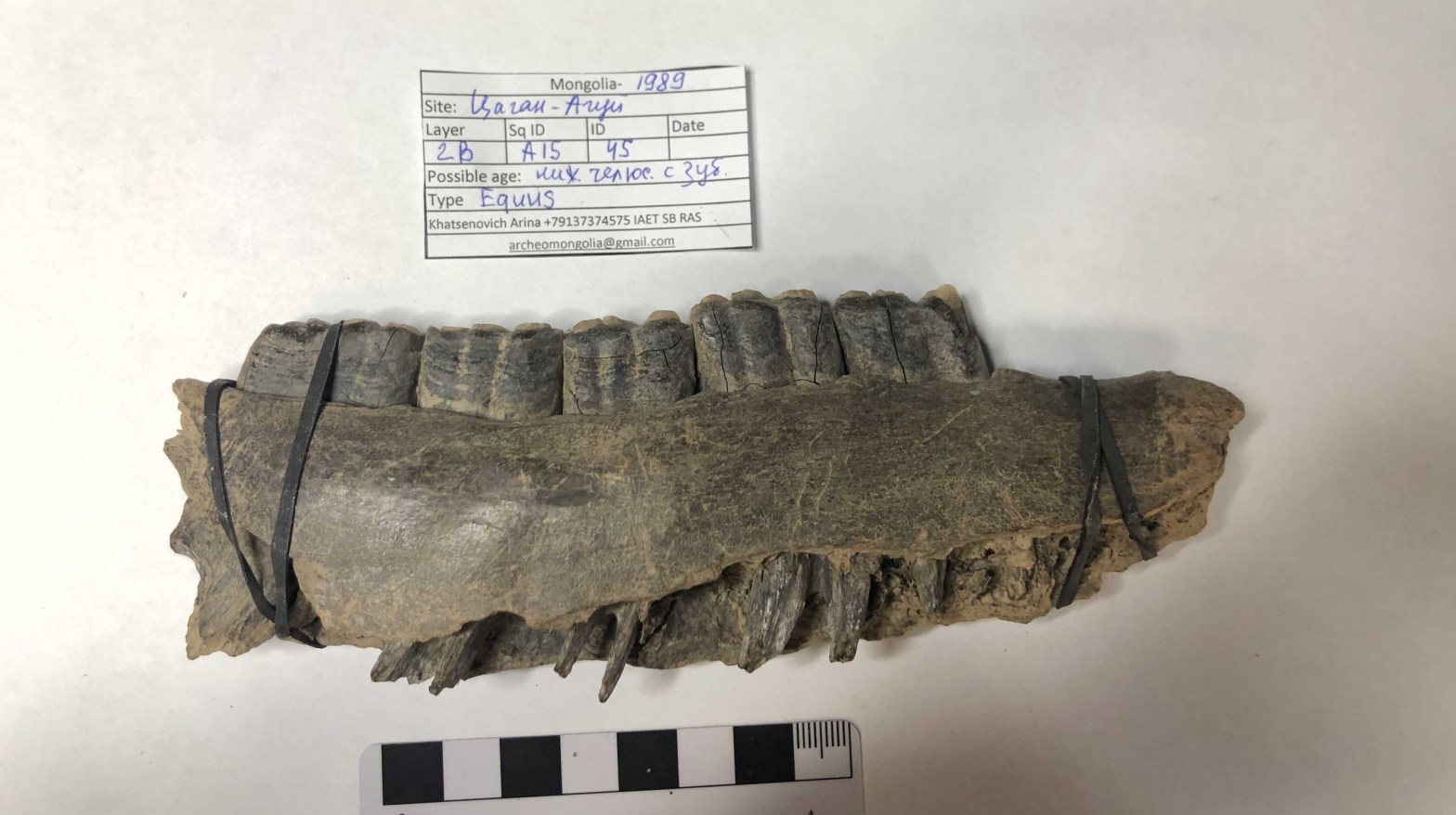
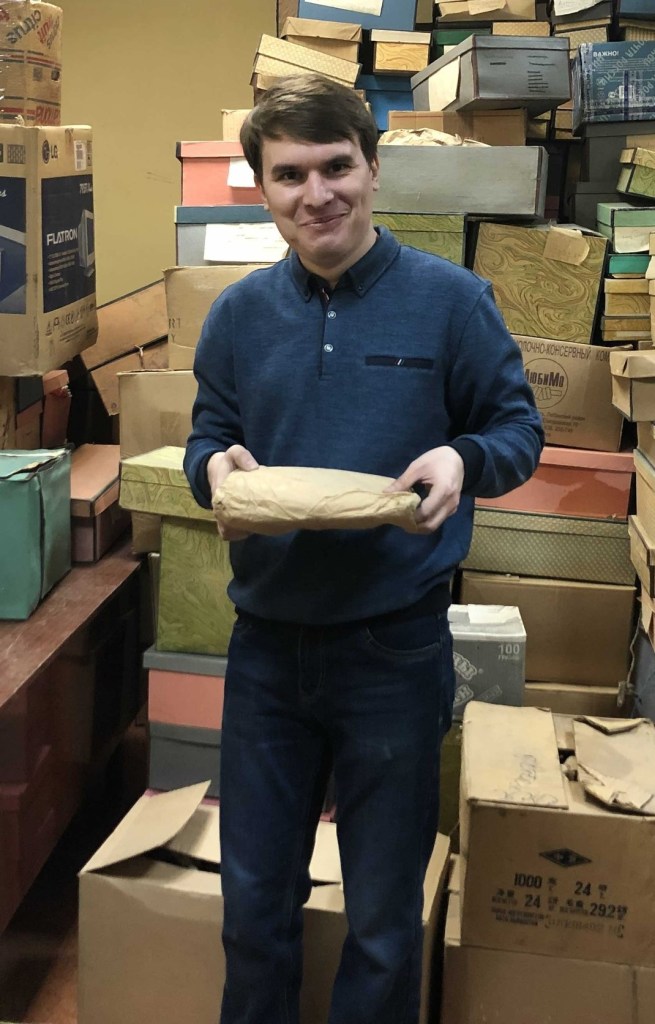
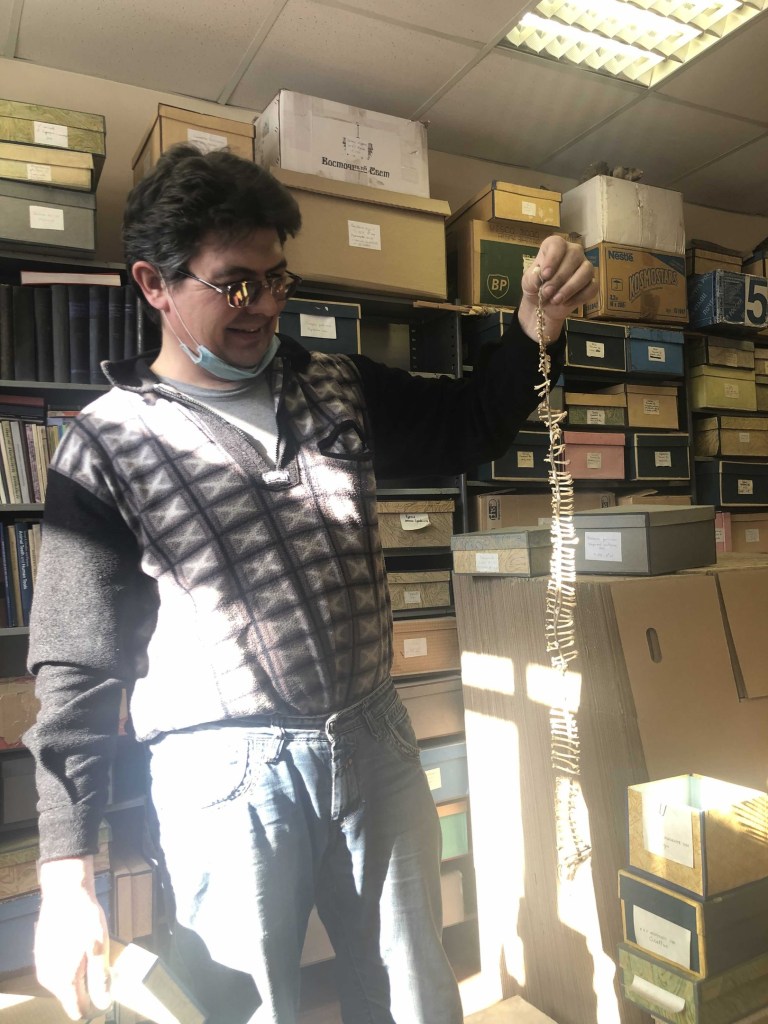
Work conducted in March 2021 in the collections storage facility of the Institute of Archaeology and Ethnography SB RAS was very difficult for our team. Faunal collections are ready to be moved to new storage facilities, so we needed to locate the Mongolian collections that have been stored there, untouched and unanalyzed, since the 1980s. We thank our Master’s degree student, Ivan Dolgushin, and Dr. Sergei Vasiliev for their assistance!
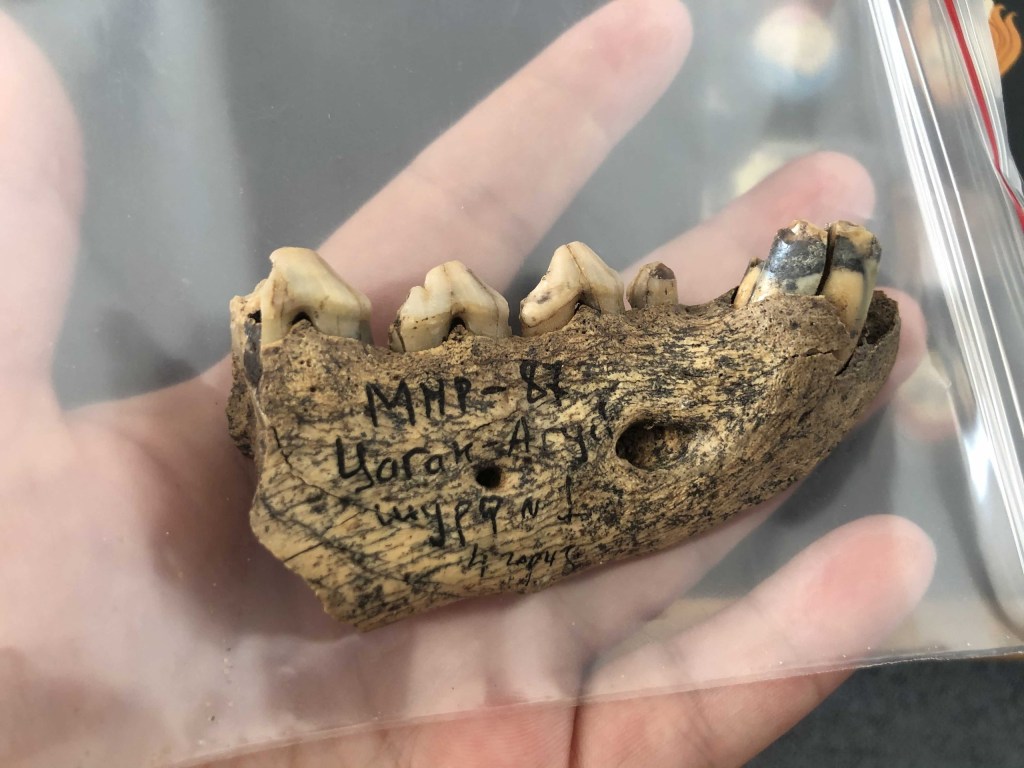
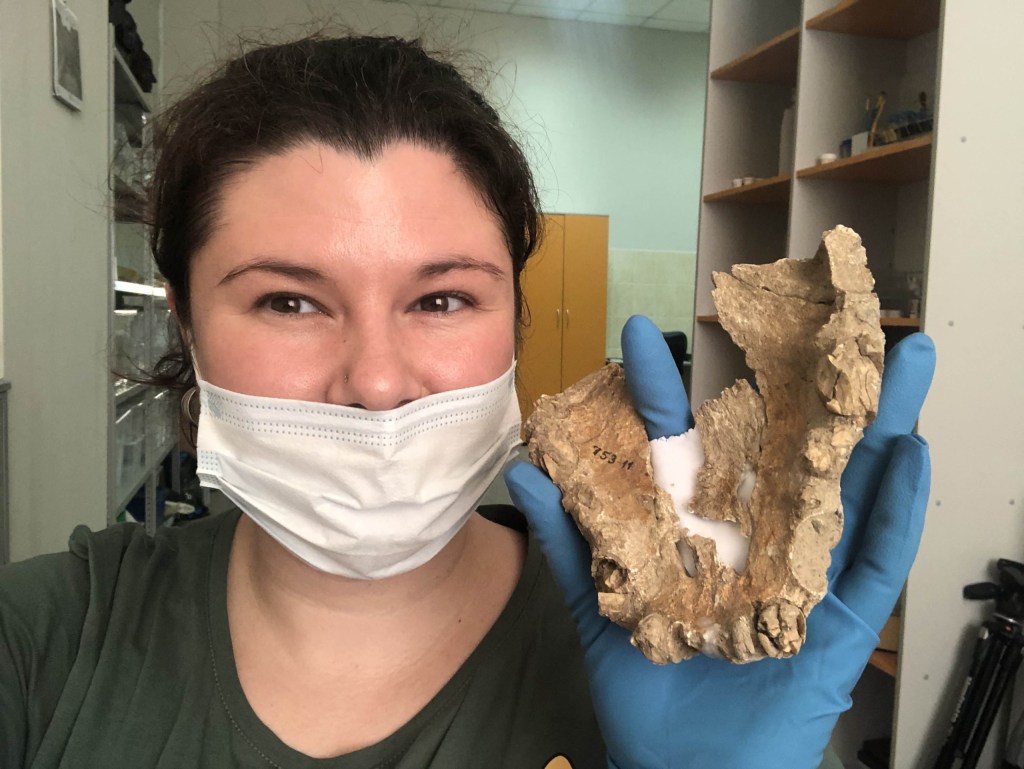
Dr. Alexei Klementiev is a unique specialist in the Pleistocene faunas of Siberia and Central Asia. He is a co-investigator of the RSF 19-78-10112 project, “Human adaptations in arid and high-altitude regions of eastern Central Asia in the Late Pleistocene and Early Holocene.” Last March he studied roughly 670 faunal remains from Paleolithic and Neolithic sites in Mongolia. Some of his results will significantly enhance our knowledge of Late Pleistocene faunal complexes in Asia. We now have roughly 50 samples prepared to undergo CT-scanning, 3D-scanning, isotopic and, in some cases, aDNA analyses. The first results of our study of faunal remains collected during our excavations in 2018-2019 at the Orkhon-1, Orkhon-7 and Moiltyn-am sites will be published in June 2021.
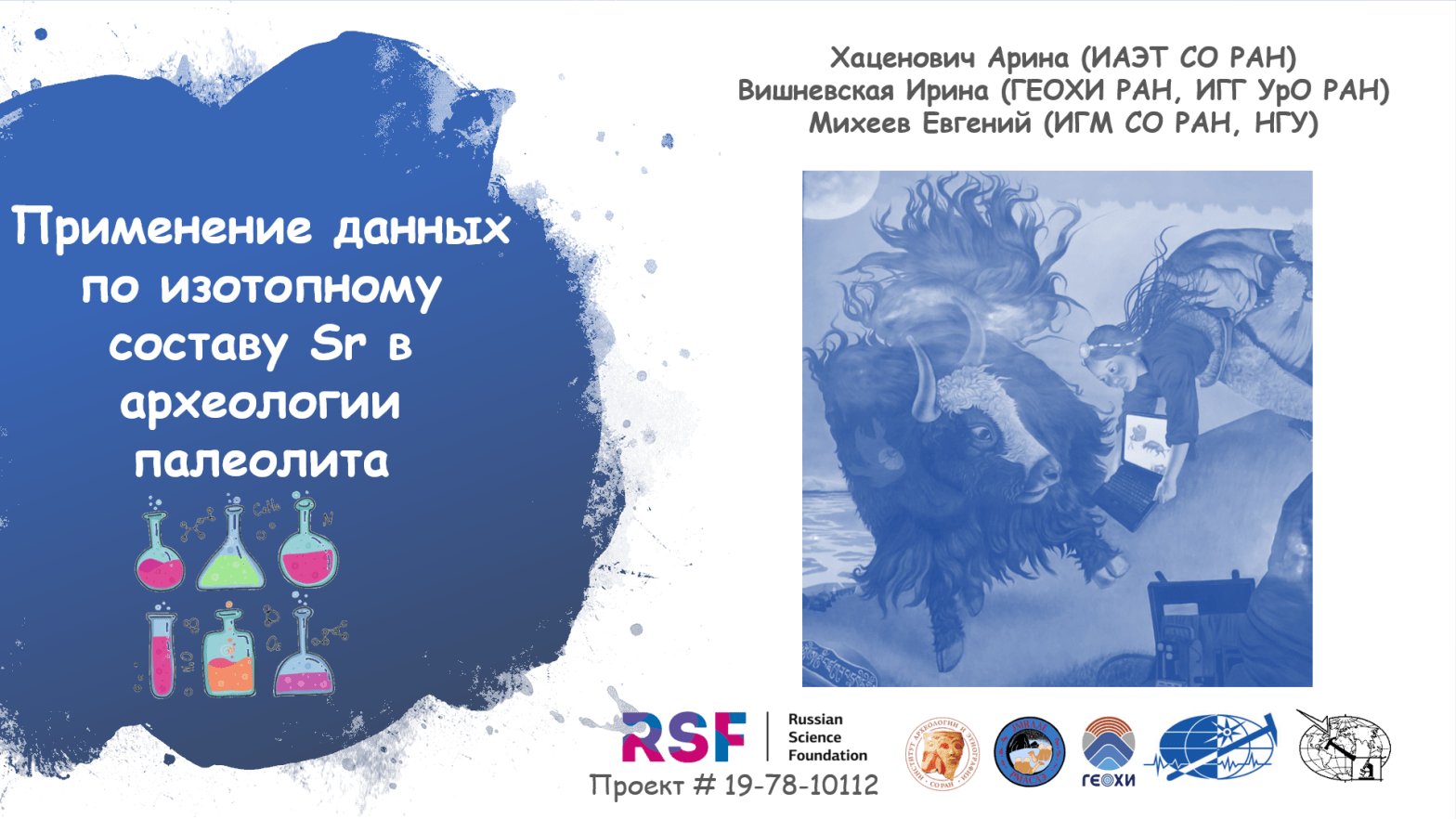
They presented the first results of their study of Strontium isotopic composition: the first stage of 87Sr/86Sr ratio mapping in the Altai region and Mongolia and, results of a study of faunal samples from Orkhon-1 and Moiltyn-am. 87Sr/86Sr ratios of bone samples, compared to results obtained on sediments from site profiles, indicate that some species did not permanently inhabit the Orkhon Valley, but migrated, presumably on a seasonal basis.
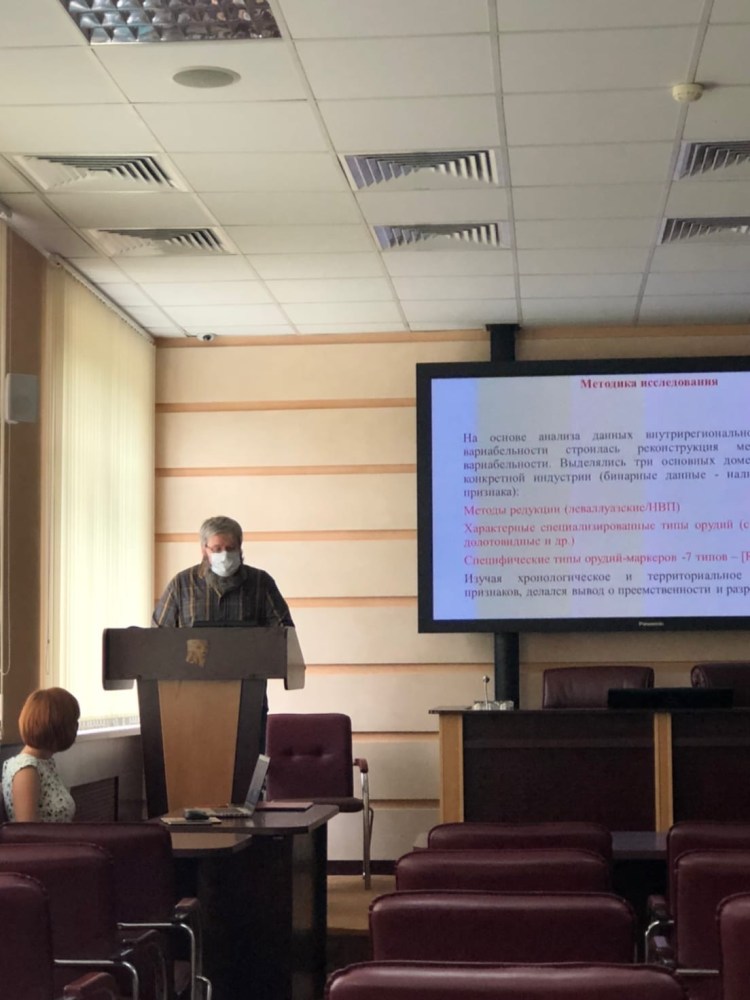
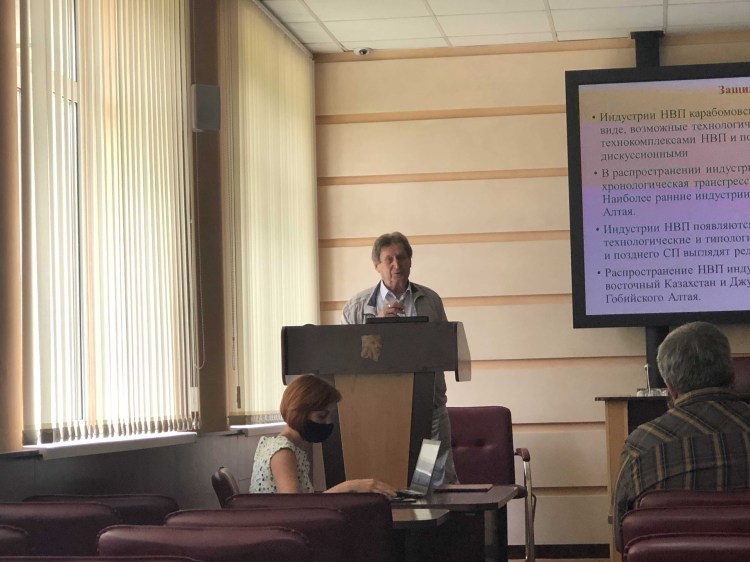
Evgeny Rybin will present his dissertation ” Regional variability of Initial Upper Paleolithic lithic industries in Southern Siberia and eastern Central Asia”
Official reviewers:
Dr. Sergei A. Vasiliev, Institute of the History of material culture RAS, Saint-Petersburg.
Dr. Pavel Yu. Pavlov, Institute of language, literature and history, Ural Branch of RAS, Komi
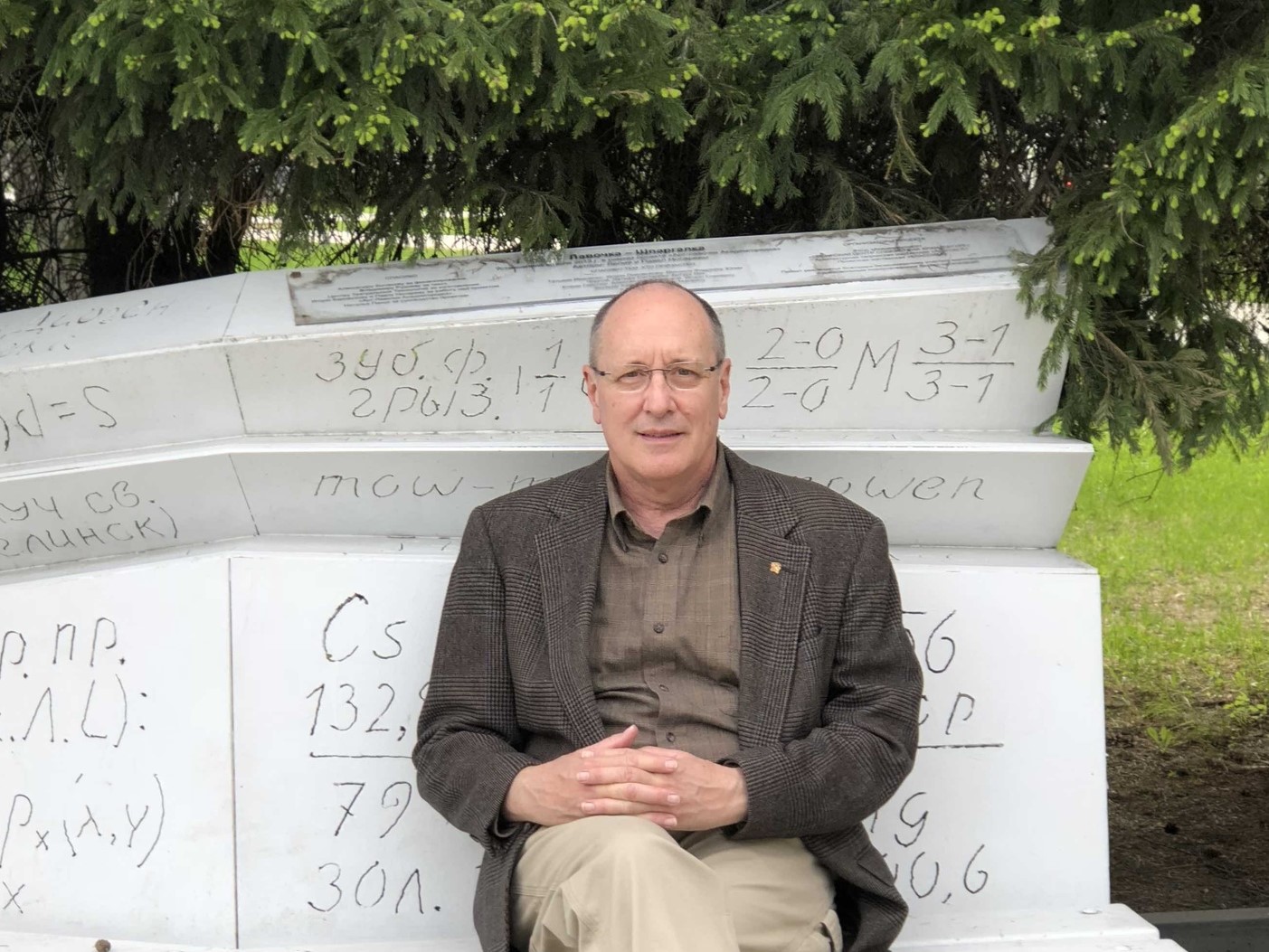
University of Arizona Regents’ Professor Emeritus John W. Olsen has worked with the Institute of Archaeology and Ethnography SB RAS since 1995. The Joint Mongolian-Russian-American Archaeological Expedition that he co-directs celebrated its 25th anniversary in 2020. The Expedition has investigated Tsagaan Agui Cave and Chikhen Agui Rockshelter, the Chikhen-2 site, and discovered the Tolbor Valley’s high concentration of Initial & Early Upper Paleolithic sites and numerous localities with surface material. Currently this Expedition works in the Orkhon Valley and the Gobi Desert.
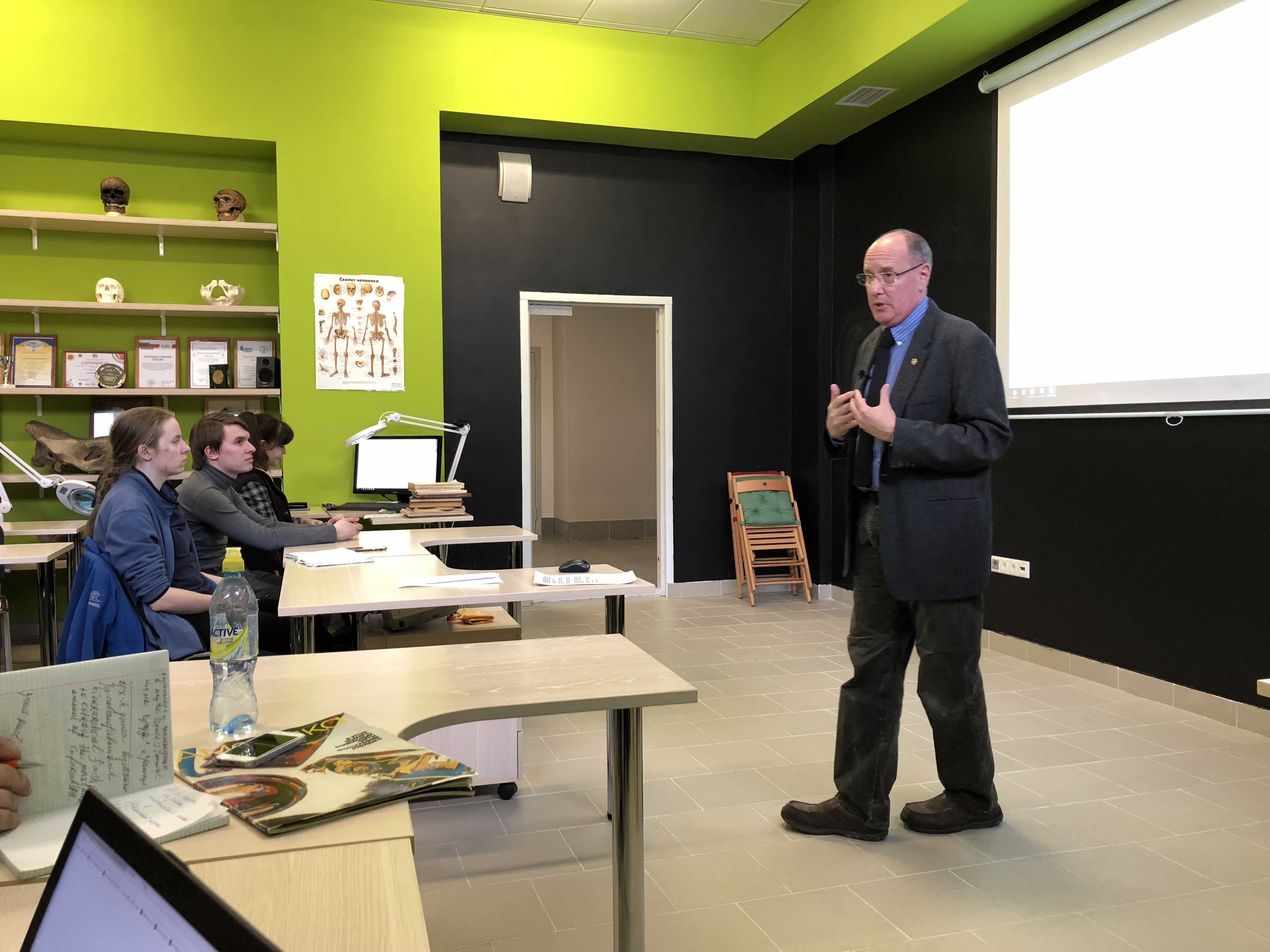
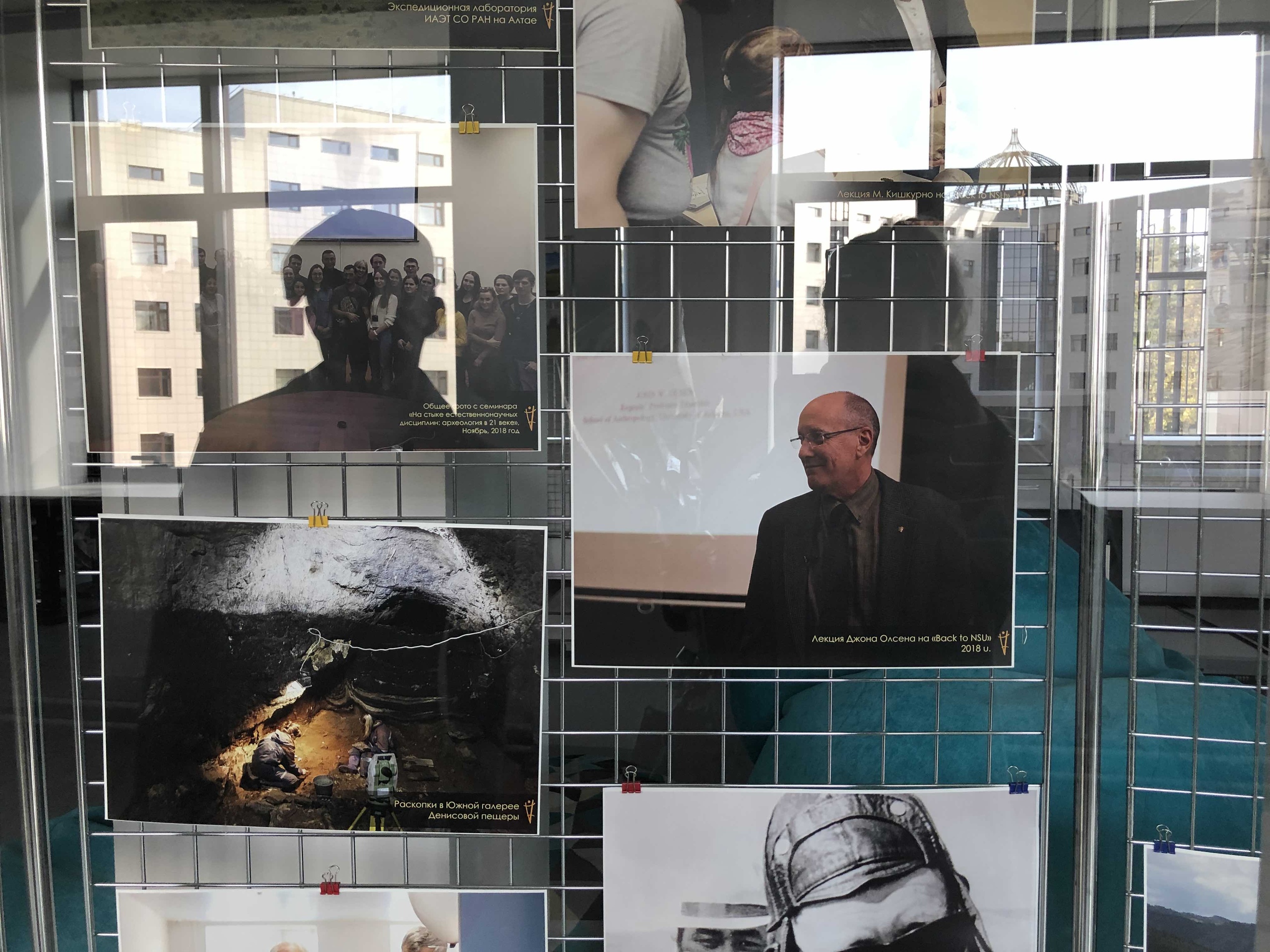
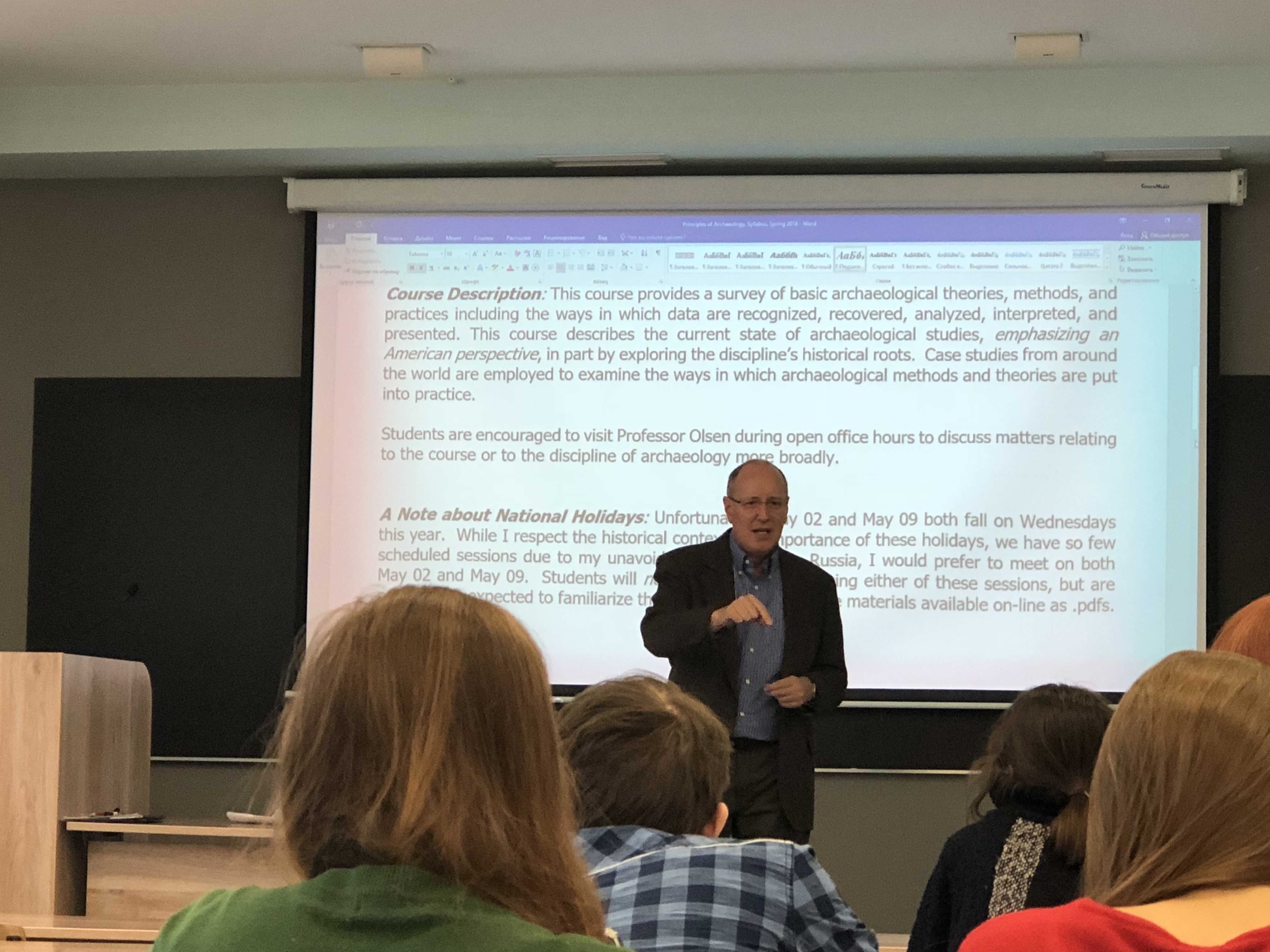
John is not only the co-director of our trilateral expedition, he also has long-established relationships with the Novosibirsk scientific community in general. He taught two courses as a visiting faculty member at Novosibirsk State University during the spring semester, 2018: Principles of Archaeology (a lecture course) for undergraduates and Reading Archaeology (a seminar) for post-baccalaureate students.
k
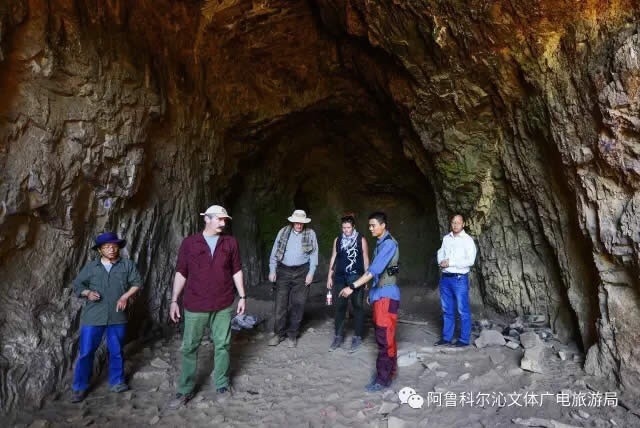
John’s career has emphasized the establishment of enduring scientific collaborations between Mongolia, China, Russia and the USA. He consciously involves early-career researchers in his international projects and expeditions.
Inner Mongolia, 2017
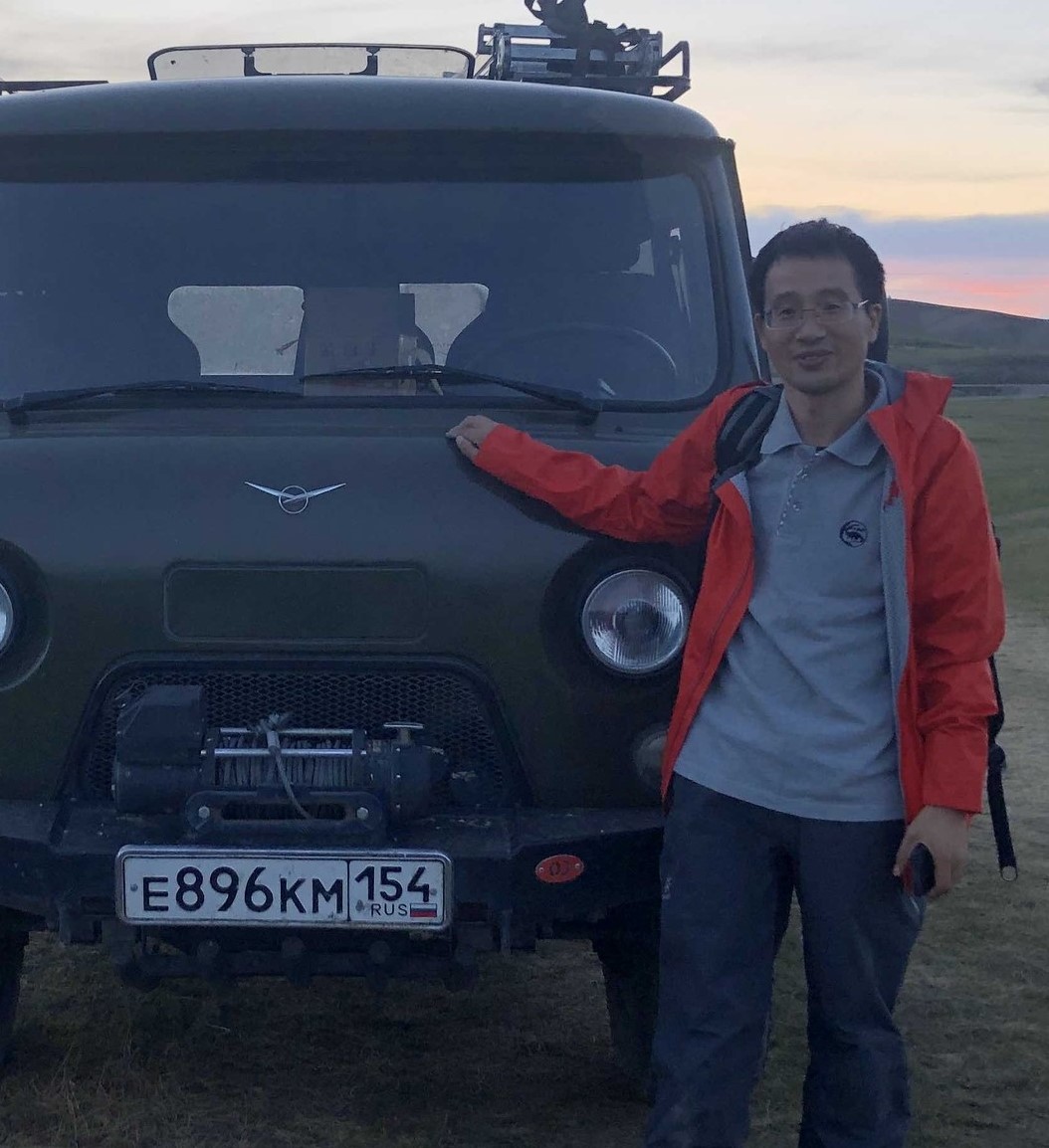
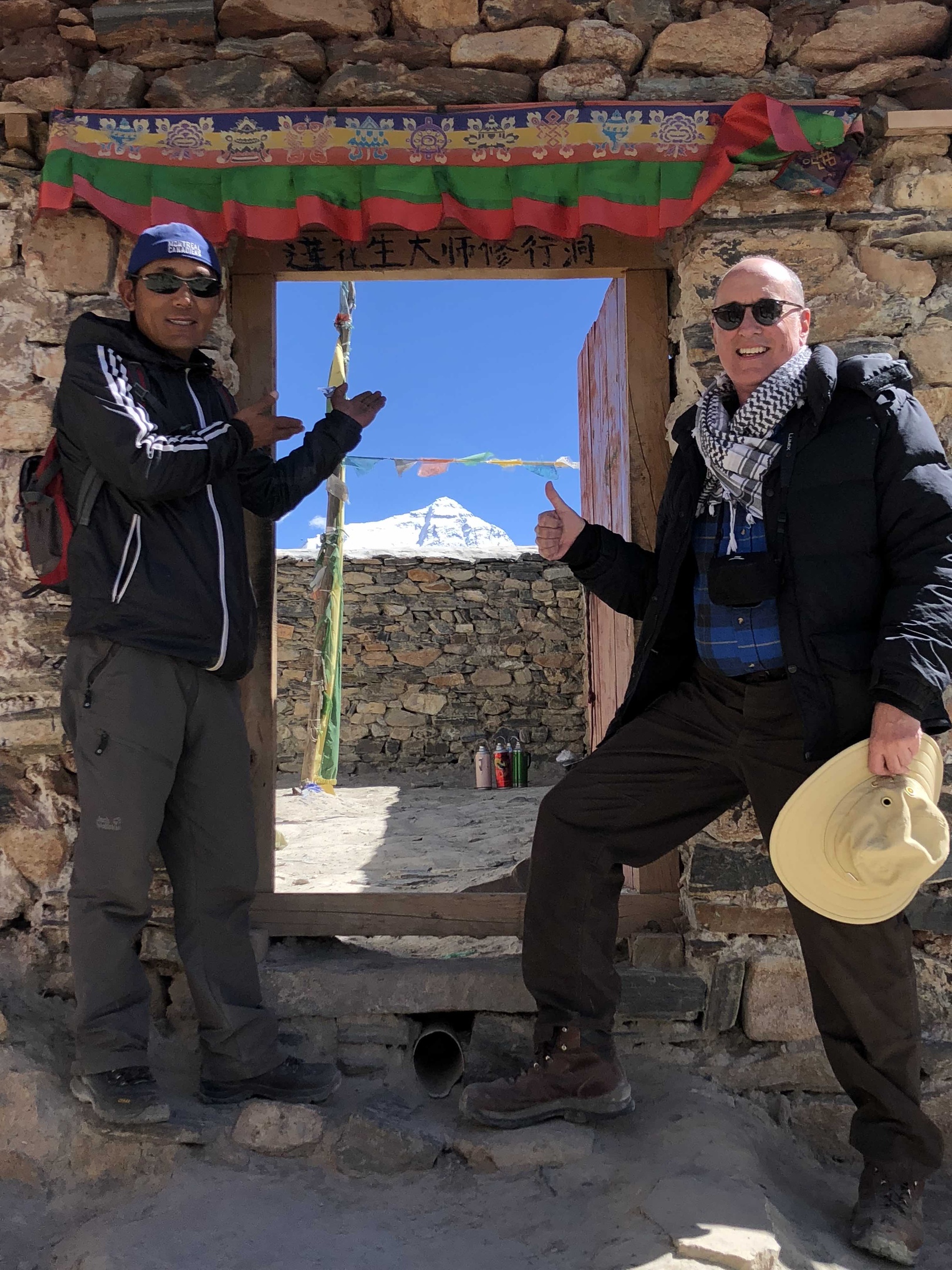
GE Junyi in Mongolia, 2019 RongbukMonastery, Tibet, 2018
Our team congratulates John on this richly deserved Honorary Degree and collectively thank him for all his help with fieldwork, international collaboration, ideas and articles!
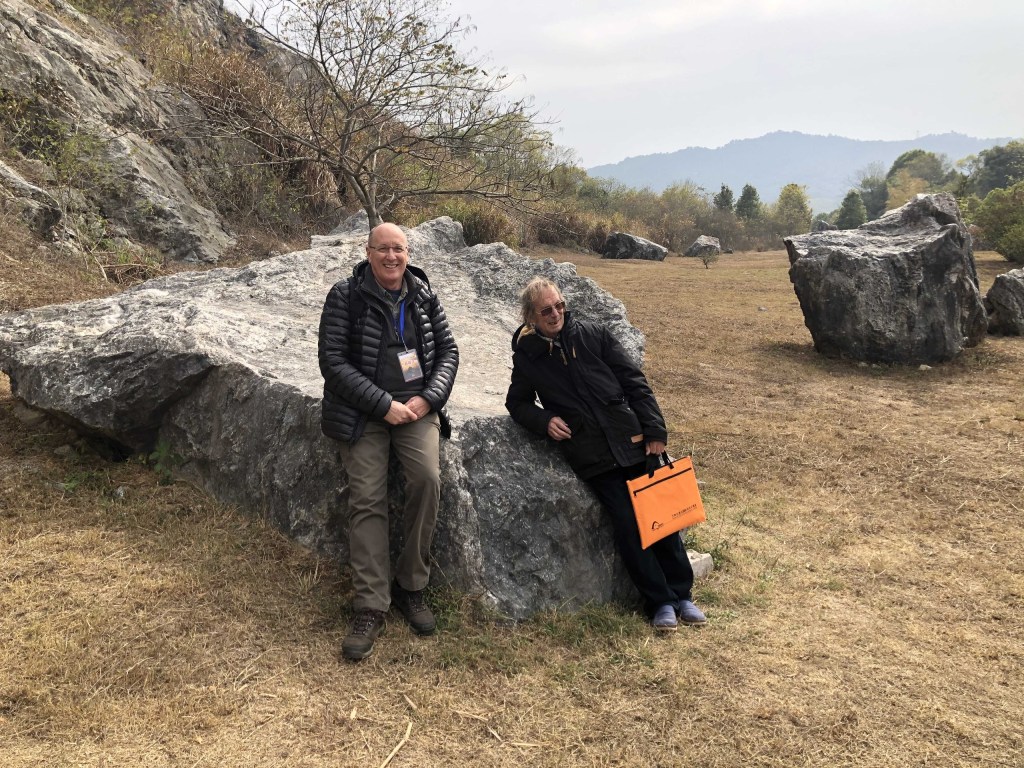
John (left) with Robin Dennell. Fujian, China, December 2019
Mongolia and the Altai Mountains were closely connected in the Upper and, probably, Middle Paleolithic: people migrated across these regions and throughout Central Asia and southern Siberia. These migrations represent human dispersals stimulated by several causes, including climate change and the movement of game animals. People transported animal bones, minerals and organic raw materials, and items of personal ornament on their journeys. Some such ornaments were apparently transported over long distances as objects of exchange or markers of social networks. In order to better interpret the significance of such transport, it is crucial to compile Strontium (Sr) isotopic maps of the areas under study.
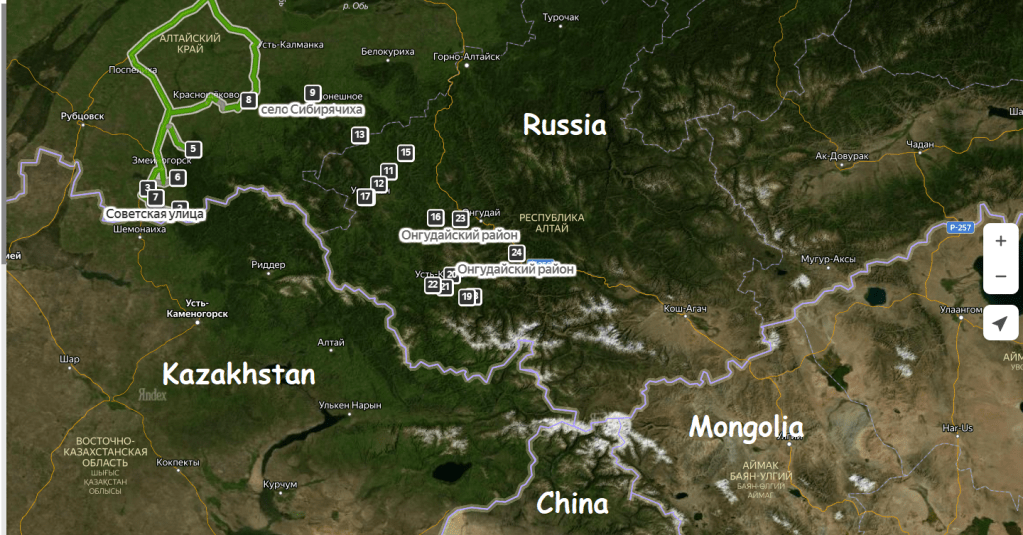
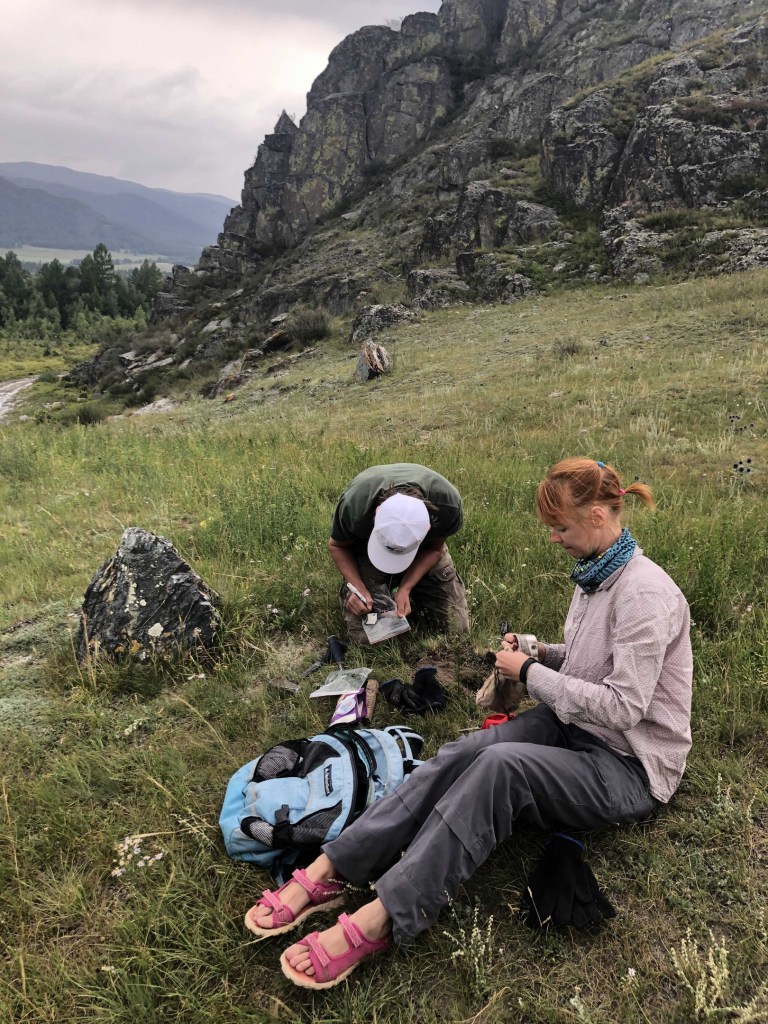
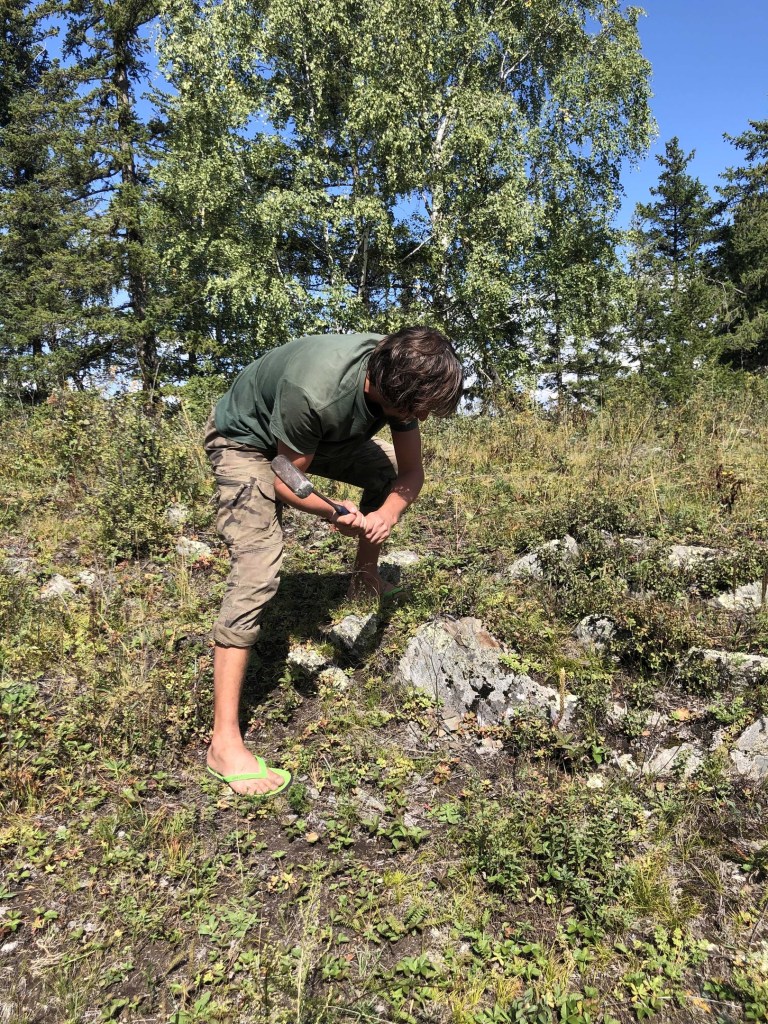
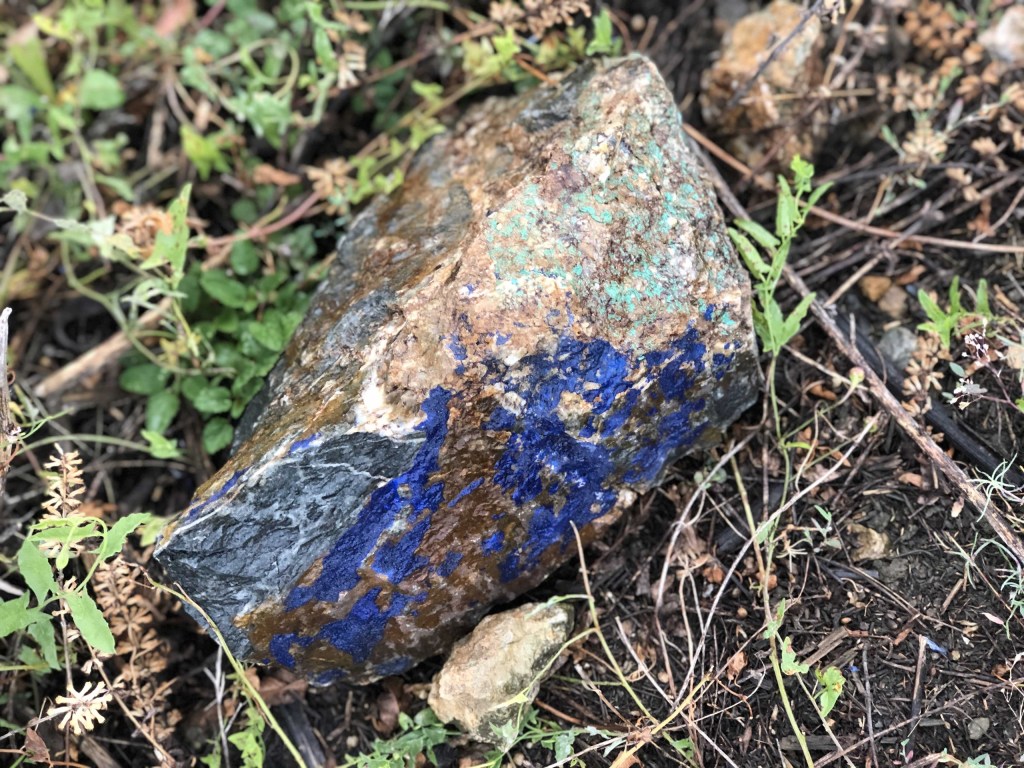
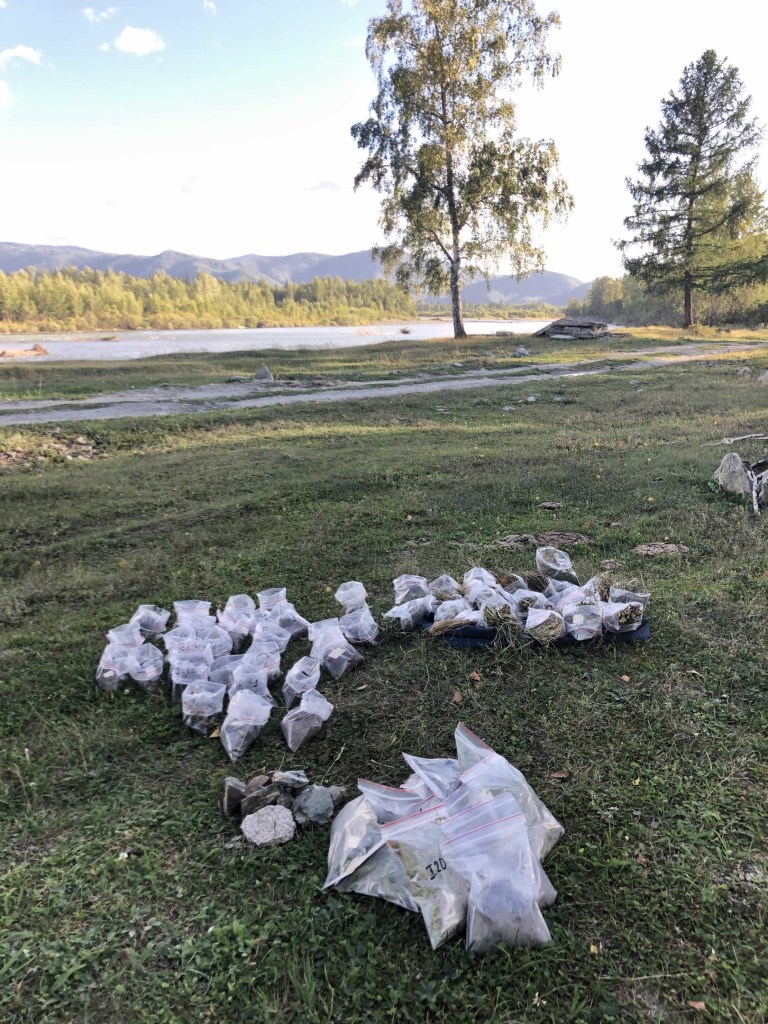
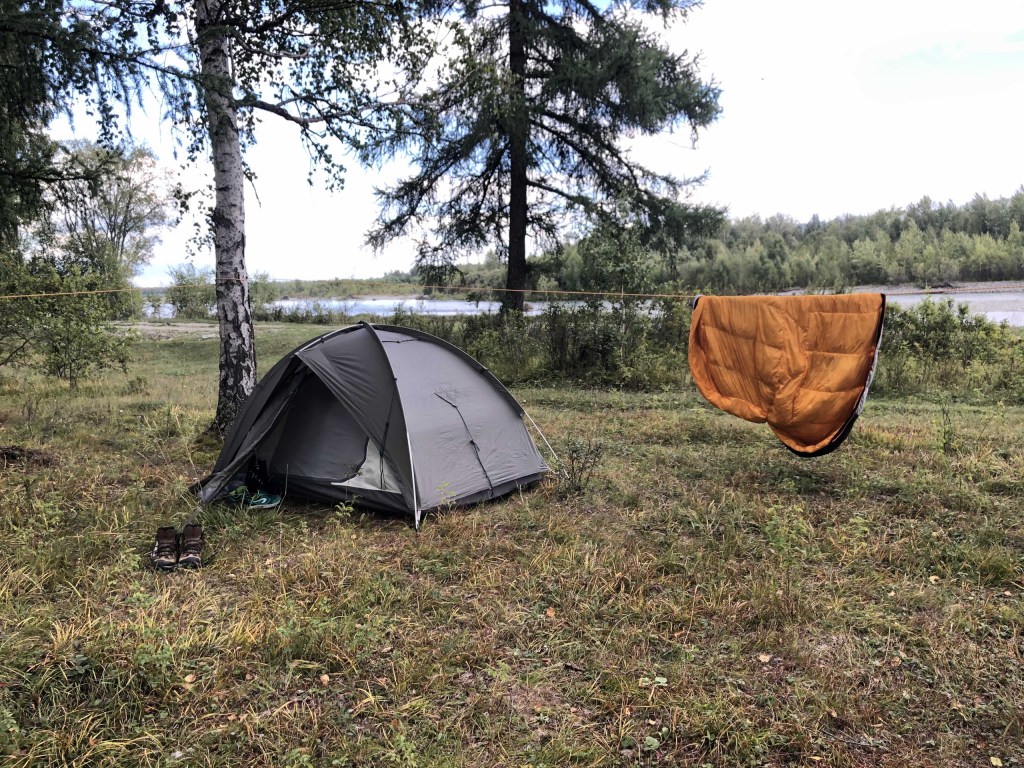
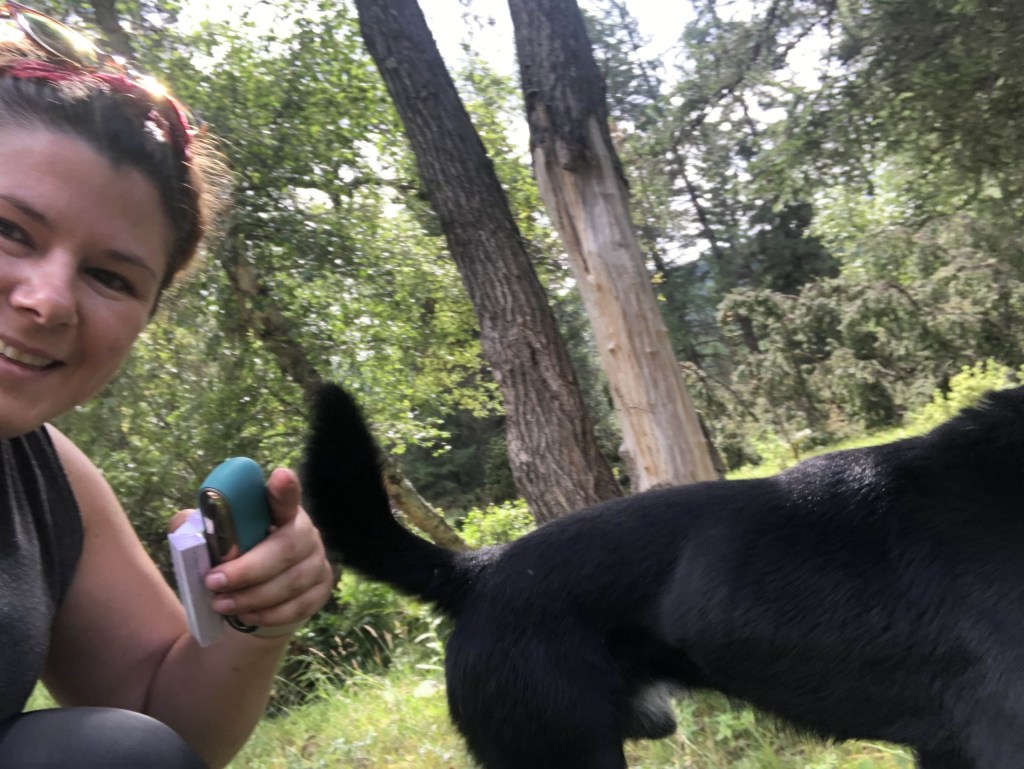
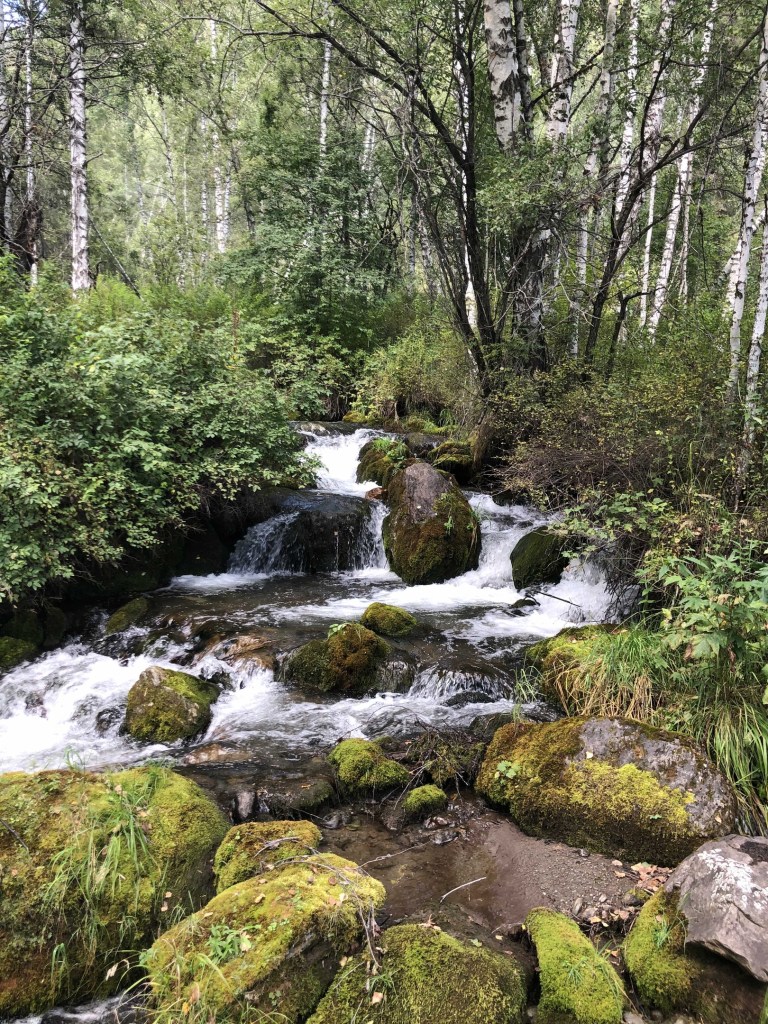
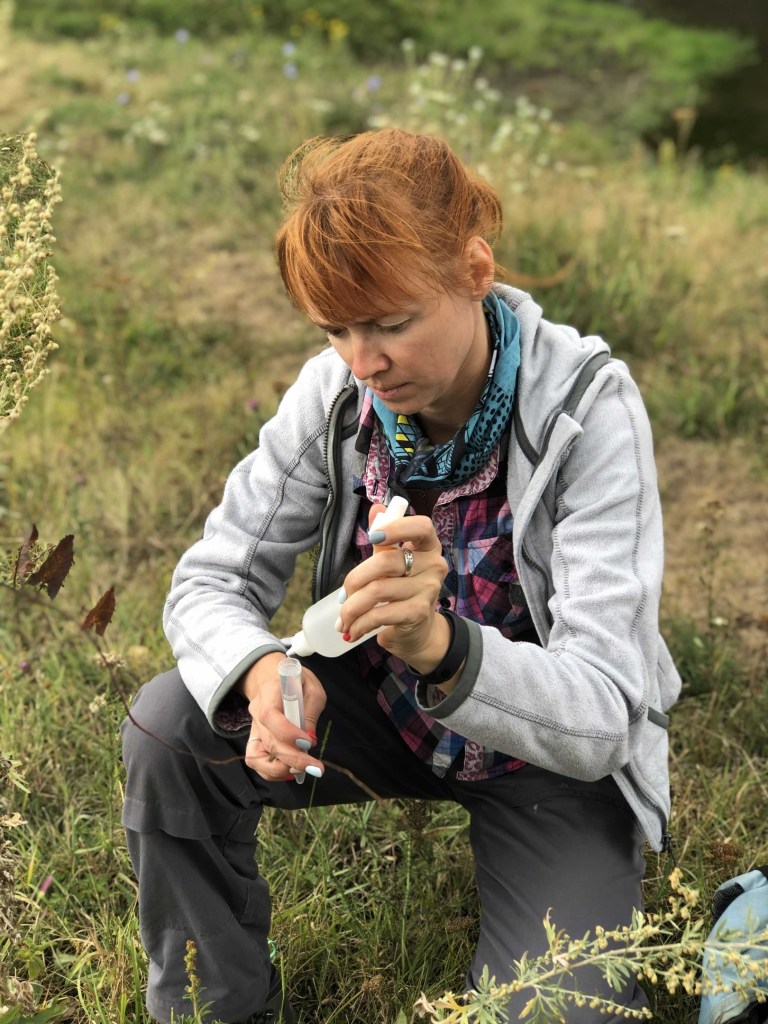
Although the Covid-19 pandemic shut down international borders and our plans to take more Sr samples for isotopic mapping in Mongolia were derailed, we managed to proceed with implementing the project on Russian territory in the Altai Mountains. We collected samples at 41 localities. Choosing each sampling locality was complex and based on several criteria: 1) We chose localities in different kinds of geological formations, because geology directly influences isotopic composition of water, soil and vegetation. Having detailed geological maps, we faced the problem of discrepancies, because some areas were mapped only remotely using satellite imagery. Fortunately, we were able to collaborate with two superb specialists in rock formation. 2) We sampled water, vegetation, and soil at each locality, but the Altai region is an intensively agricultural zone today. To avoid contamination by fertilizer and other agro-chemicals, we needed to penetrate deeper and higher in each valley, to access areas without agricultural fields. Sometimes water sources were absent in such areas, and we sampled vegetation and soil only. 3) A Sr isotopic map is meant to be detailed so, ideally, samples need to be taken every 5 km in each river valley. We knew from the outset that such high-resolution analysis was beyond our means since 87Sr/86Sr ratio analysis is prohibitively expensive. Thus, during this initial stage of our project we chose different areas in the Altai Mountains to enhance our basic understanding of 87Sr/86Sr ratios in the region.
Strontium sampling localities in the Altai Mountains (map by Andrey Vishnevsky)
We collected samples in areas near the Russian border with Kazakhstan (districts near the Mongolian border were closed and off-limits) and locations surrounding archaeological sites, including Okladnikov, Denisova, Maloyalomanskaya and Ust’-Kanskaya caves, the Kara-Bom and Ust’-Karakol sites, and other areas.
Okladnikov Cave. Geochemist Dr. Irina Vishnevskaya and geologist Dr. Evgeny MikheevUst’-Kanskaya Cave
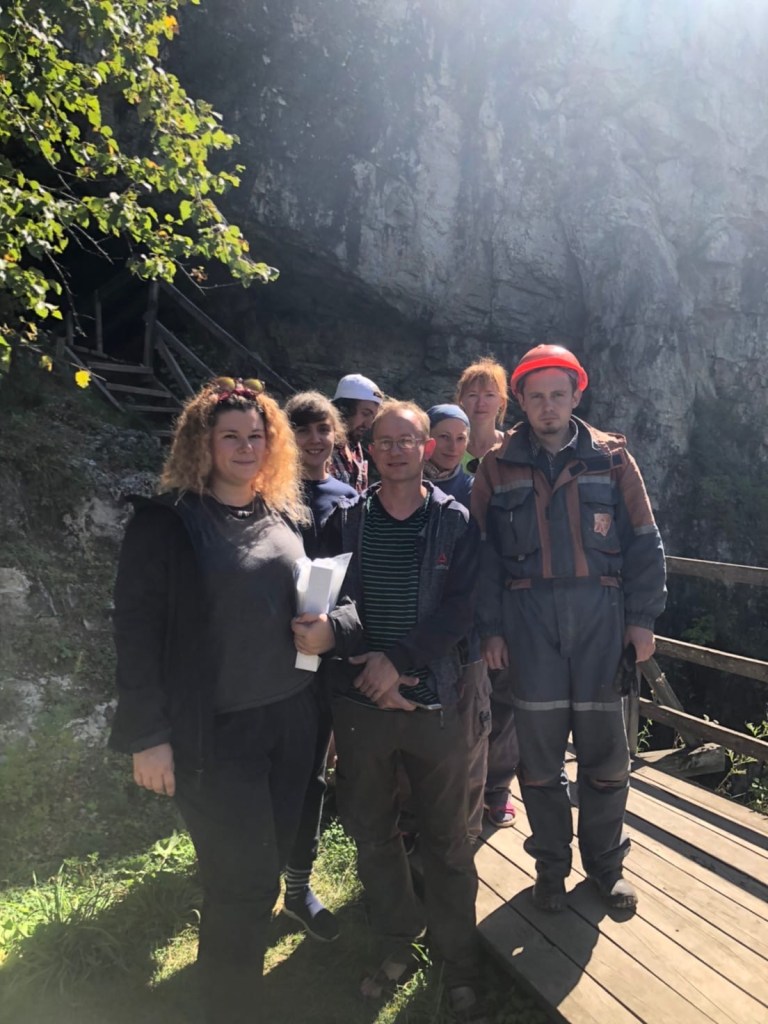
Research team visiting Denisova Cave. Thanks to Dr. Maksim Kozlikin (in red helmet) for a wonderful excursion!
The Kara-Bom site
We collected a total of 111 samples from 41 localities. All are currently under analysis in the “Geoanalyst” Common Use Center of the Ural Branch of the Russian Academy of Sciences in Ekaterinburg. We also collected a number of rock samples from primary formations, when differences between geological maps and the real geological situation were detectable.
Andrey Vishnevsky, Head of the Geological Museum and Senior Researcher in the Institute of Geology and Minerology, SB RAS and Novosibirsk State University. Our petrographer, GIS specialist, cook and driver.
and Evgeny Rybin, who provided his invaluable advice from home!
Evgeny P. Rybin, Cleantha N. Paine, Arina M. Khatsenovich, Tsedendorj Bolorbat, Sahra Talamo, Daria V. Marchenko, William Rendu, Alexei M. Klementiev, Davakhuu Odsuren, Byambaa Gunchinsuren, Nicolas Zwyns., 2020. A new Upper Paleolithic occupation at the site of Tolbor-21 (Mongolia): Site formation, human behavior and implications for the regional sequence
In Central and East Asia, the Upper Paleolithic dates as early as 45 ka cal BP but, until recently, there was little reliable information concerning human occupation during the following period, between 45 and 40 ka cal BP. Here we present results of the excavation of the Tolbor-21 site, in the Selenga drainage system, northern Mongolia. We focus on Tolbor-21 Archeological Horizon 4 (AH4), a cultural assemblage that documents human occupations that fall stratigraphically and chronologically between the Initial and the Early Upper Paleolithic. We report on the spatial distribution of finds, zooarchaeological and lithic data to determine which reflect post-depositional processes, and which are informative of human behavior. Our initial results presented here show evidence of reworking and preservation bias in a succession of occupations, the exploitation of medium and large herbivores, and the potential structured use of space. At the regional level, our results suggest that improving the resolution of data collection may identify previously undocumented episodes of human occupation. On a broader scale, the Tolbor-21 AH4 assemblage brings new perspectives to the development of the Early Upper Paleolithic in Central and Northeast Asia.
Acknowledgments
The Russian Science Foundation supports ER, AMK, DM and AK for lithic (project #19-18-00198) and faunal (project# 19-78-10112) analyses.
The US National Science Foundation (#1560784) supports NZ’s field research in the Ikh-Tulberiin-Gol. NZ is grateful for the support of the Leakey Foundation, the Max Planck Society, the UC-Davis Department of Anthropology and Academic Senate, and the Hellman Foundation. ST is funded by the European Research Council under the European Union’s Horizon 2020 Research and Innovation Programme (grant agreement No. 803147 RESOLUTION, https://site.unibo.it/resolution-erc/en).
Dr. Arina Khatsenovich and colleagues off-road near the Kara-Tenesh site.
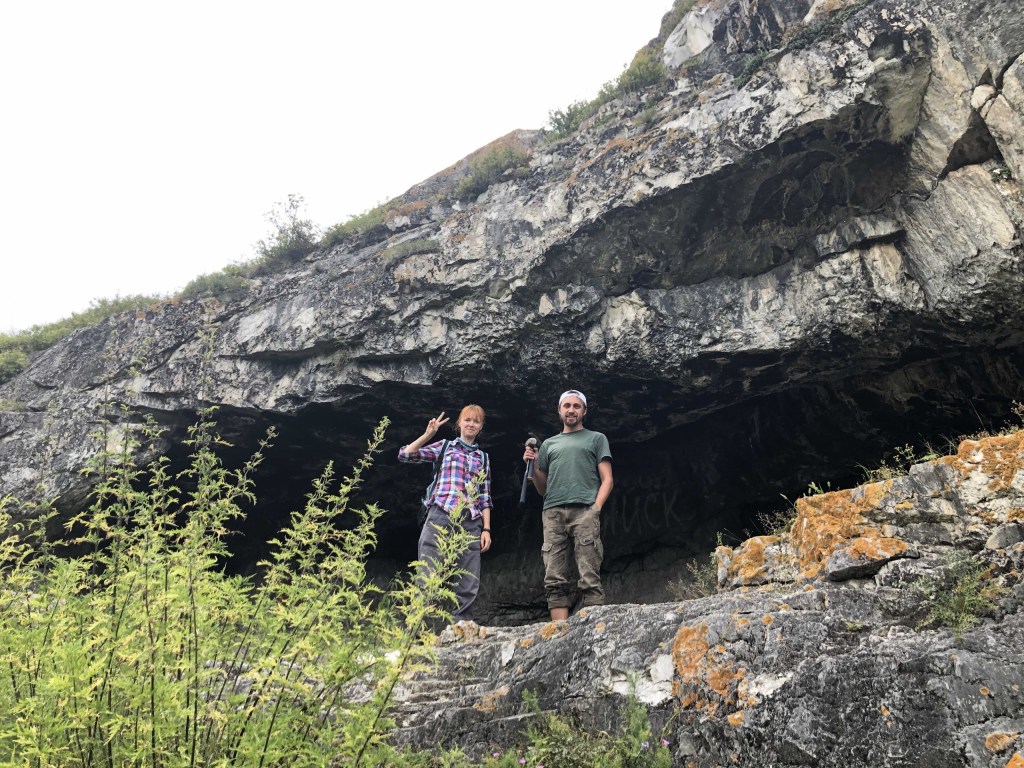
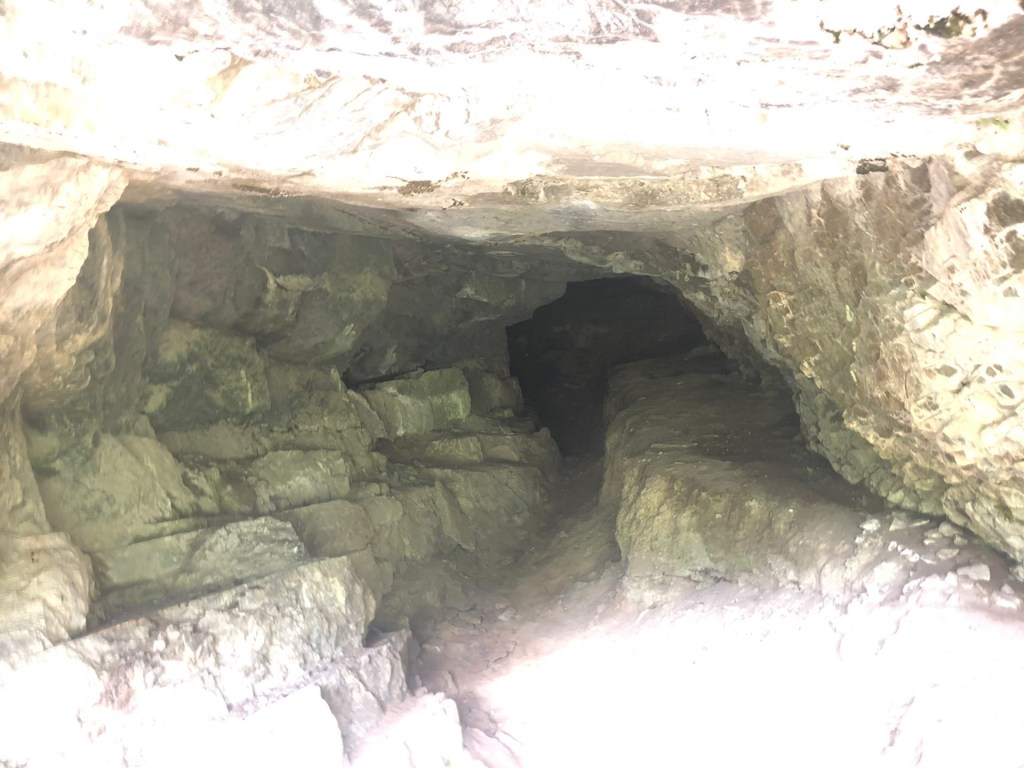
In July 2020, our team visited several Paleolithic sites in the Altai Mountains of southern Siberia. We had geographical coordinates of sites investigated in the 1980s-1990s, including Maloyalomanskaya Cave and Kara-Tenesh, but, of course, those coordinates proved to be incorrect! Local people were very kind and helped us find Maloyalomanskaya Cave, which is in good condition. One gallery in particular seems to have good potential for further excavation. We plan to take samples for OSL and 14C dating next year.
Maloyalomanskaya Cave
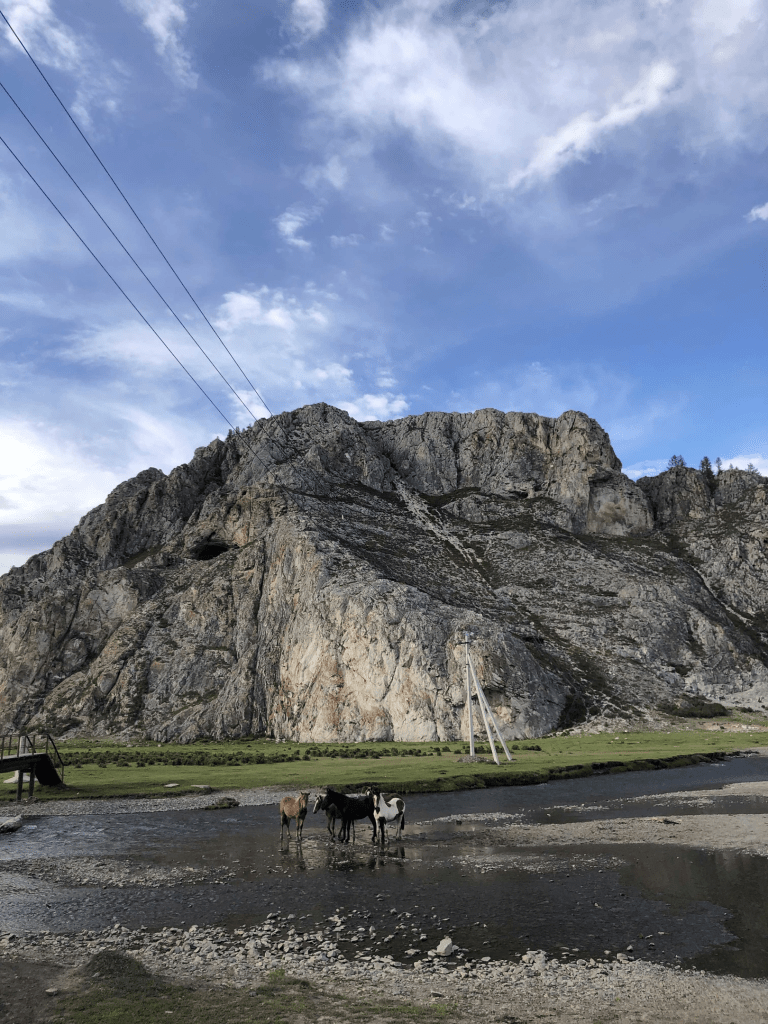
The situation at Kara-Tenesh is less clear. The site’s geographical coordinates were basically correct and we located the site after only one or two hours’ search. But, the area of this site is huge and we tried with difficulty to understand where the Paleolithic excavation pit was situated. This site is an Afontovo Culture settlement, with deeply stratified Paleolithic material in some parts of the site. In 2021, we will excavate several test pits to further identify the Paleolithic layer.
Dr. Anton Anoikin at the Kara-Tenesh site
The other goal of our survey was the search for lithic raw material sources utilized by the ancient inhabitants of the Kara Bom site. Just one preliminary word – success!!! More to follow…soon.
Dr. Evgeny Rybin testing stone raw material
We also found two new Paleolithic localities. All of this looks promising and will undoubtedly keep us productively engaged if the Covid-19 pandemic continues.
The Kara Bom site as seen from the perspective of a DJI Mavic Pro drone
Down Ancient Trails is an international archaeological forum organized by the Sharma Center for Heritage Education, India and supported by the Leakey Foundation. It is an online platform for specialists in archaeological sciences and anthropology to share their research. A number of headliners in archaeology gave presented talks about various subjects that they study. Shanti Pappu, the coordinator of this fantastic project, invited Arina Khatsenovich to present a talk about Paleolithic studies in Mongolia on 15 July 2020.
Immediately following a survey in the Altai Mountains, Arina presented the first results of ongoing projects in Mongolia supported by the Russian Science Foundation and the Leakey Foundation.
Arina focused on the study of Final Middle Paleolithic and Initial Upper Paleolithic assemblages in Central Asia, particularly Mongolia. Excavations carried out by JMRAAE in 2018-2019 have yielded not only new lithic material, but also new a chronology based on Optically Stimulated Luminescence (radiocarbon dates are forthcoming).



 The Russian Science Foundation supports ER, AMK, DM and AK for lithic (project #19-18-00198) and faunal (project# 19-78-10112) analyses.






 PaleoMongolia